


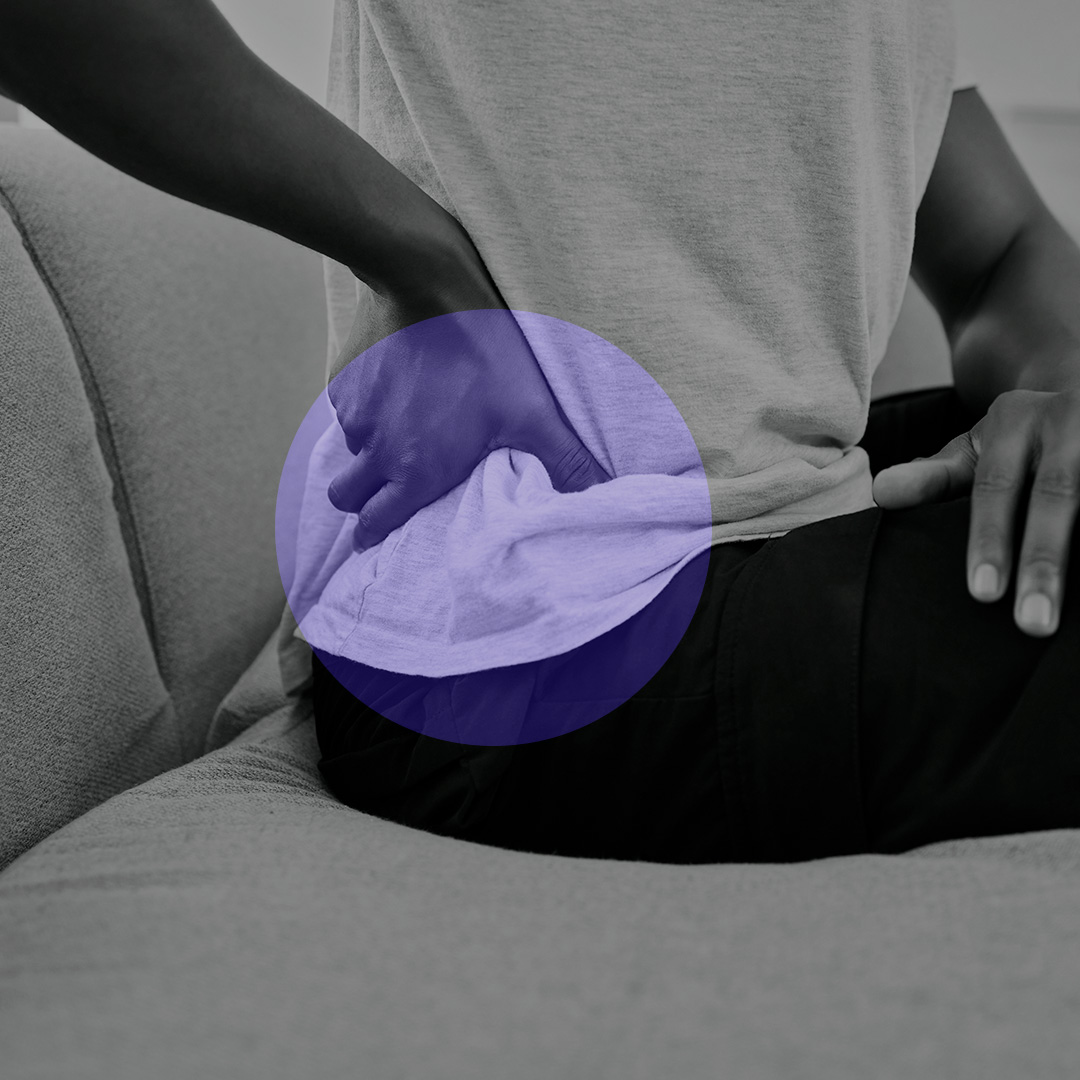
The hip, also known as the hip joint, is one of the most
important parts of the human body. It is responsible for connecting the upper part of the femur (thigh
bone) to the pelvic bone (iliac) and plays a crucial role in our mobility and
ability to support the body's weight. However, the hip may also be affected by
various problems and conditions that can cause pain and limit our quality of life.
In this article, we'll look at some of the most common hip problems and possible treatment
options to help improve the health of this important joint.
Common hip problems:
1.Hip Arthrosis:Arthrosis, also know as osteoarthritis, is a degenerative
condition disease that occurs when the protective cartilage that covers the ends of bones
wears out over time. This can lead to pain, swelling and stiffness in the hip, making
movement more difficult and painful.
2.Hip Bursitis: Bursitis of the hip is an inflammation of the bursae, which are small pockets
filled with fluid that helps reduce friction between tendons, muscles and bones. Bursitis
can cause pain and discomfort in the hip area.
3.Femoroacetabular Impaction Syndrome (SIFA):This syndrome occurs when there is a excessive
friction between the head of the femur and the cavity of the acetabulum (part of the hip bone). Over
time, this can lead to injuries and damage to the cartilage and tissues of the hip.
4.Hip Fracture:Hip fractures generally occur in older people due to
bone fragility related to osteoporosis. However, they can also occur in
younger people due to trauma or accidents.
5. Tendonitis and Soft Tissue Injuries:Injuries to the tendons and soft tissues around the hip,
such as tendonitis, can cause pain and discomfort in the joint.
Treatments:
Treatment for hip problems will depend on the type and severity of the condition, as well as
individual needs of each patient. Some of the most common treatment
options include
1. Medication: Analgesics and anti-inflammatory drugs can be prescribed to relieve pain and reduce
inflammation in conditions such as arthritis and hip bursitis.
2.Physiotherapy:Specific exercises can be recommended to strengthen the muscles
around the hip, improve the stability of the joint and relieve pain.
3. Infiltrations: Injections of corticosteroids or hyaluronic acid can be used for
to reduce inflammation and provide temporary pain relief.
4.Surgery:In more serious cases and when conservative treatments are not enough,
the surgery can be considered. Options include arthroscopy, hip replacement
surgery (arthroplasty), among others.
5.Lifestyle Adpatations:Making lifestyle changes, such as losing weight, avoiding
high-impact activities and wearing suitable footwear, can help relieve pressure
on the hip and improve your general health
If you're experiencing pain or discomfort in your hip, it's important to see an orthopaedic
specialist. A proper diagnosis is essential to determine the best treatment
plan for your specific case. With proper monitoring and treatment
you can improve the health of your hip and regain your mobility and quality
of life.
Take care of your hip and prioritise your health to enjoy a full and active life for many
years to come!
Get in touch with the team of experts at U-MUV.
