1st Knee Osteotomy Congress in Gondomar at CACE – Fernando Pessoa University


post
28. July 2023 #Knee
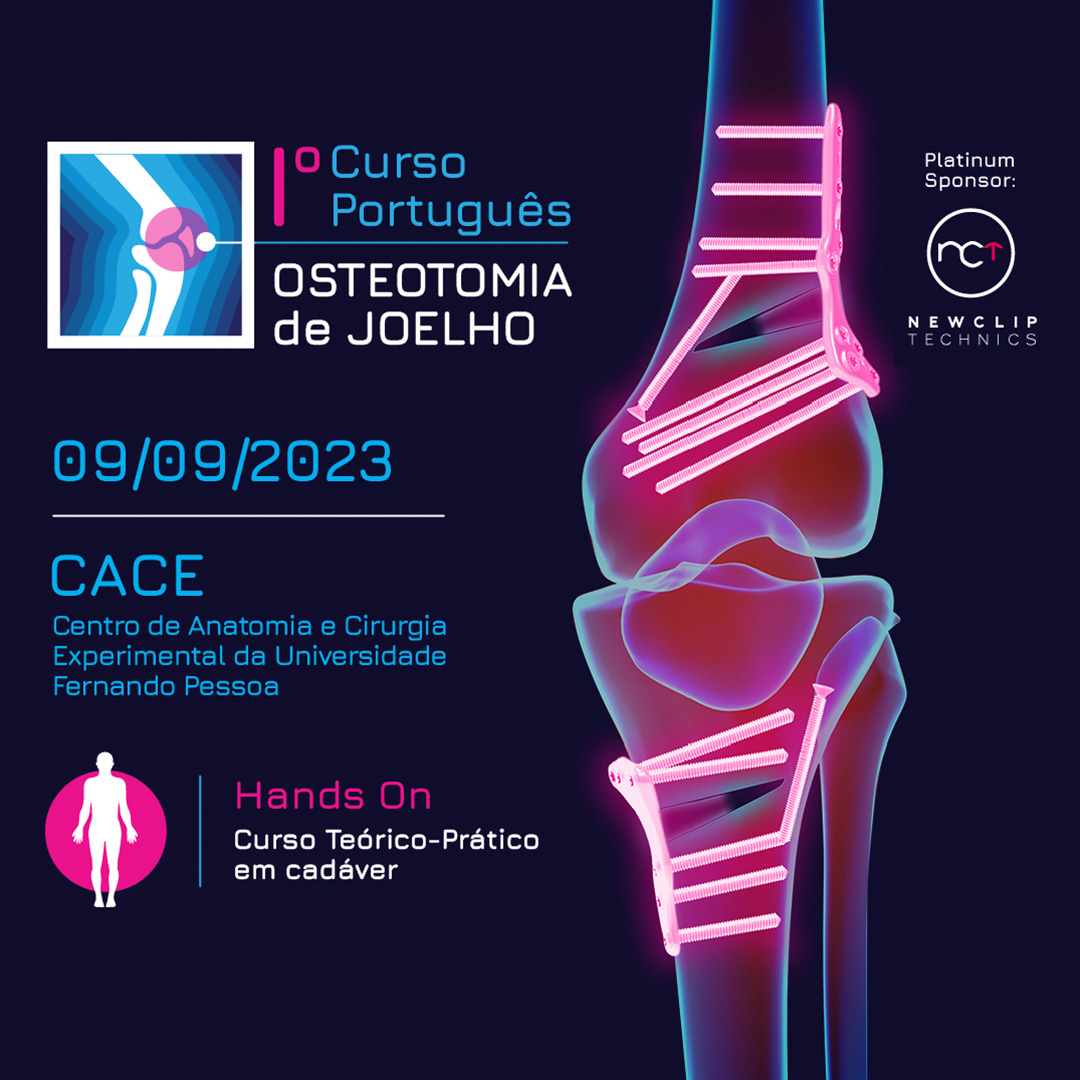
We are pleased to announce the 1st Knee Osteotomy Congress, which will take place in
Gondomar, at the prestigious Centro de Anatomia e Cirurgia Experimental (CACE) da Universidade
Fernando Pessoa. The event is scheduled for 9 September 2023 and promises to bring together
highly qualified professionals and renowned specialists in the field of orthopaedics.
About the Knee Osteotomy Congress - the first in Portugal:
This congress is a significant milestone for the orthopaedic community in Portugal, being the
first event dedicated exclusively to knee osteotomy in the country. With special focus
in the theoretical-practical cadaver approach, participants will have the unique opportunity to
deepen
their knowledge and skills in one of the most challenging and promising areas
of orthopaedic surgery.
Theoretical and Practical Cadaver Course with Renowned Lecturers
The Knee Osteotomy Congress will offer a theoretical and practical cadaver course,
providing participants with a practical and immersive experience. With the guidance of
highly experienced lecturers, participants will have the opportunity to hone
their surgical techniques and gain valuable insights into meeting clinical challenges in the field
of knee osteotomy.
Some of the speakers confirmed for the event include:
- Dr. Manuel Oliveira
- Dr. Adélio Vilaça
- Dr. Levi Fernandes
- Dr. Gonçalo Martinho
- Dr. Kristian Kley
- Dr. Matthiew Ollivier
Don't miss the opportunity to be part of this historic congress in Portu
guese orthopaedics. The
congress offers the perfect platform to hone your skills, acquire new
knowledge and interact with colleagues and internationally renowned speakers.
Event details
- Date: 09 September 2023
- Local: CACE - Centro de Anatomia e Cirurgia Experimental, Universidade Fernando Pessoa,
Gondomar, Portugal
To register and find out more about the scientific programme and guest
speakers, visit the official website of the 1st Knee Osteotomy Congress at www.congresso-
osteotomia.com.
We look forward to welcoming you to Gondomar for this exceptional event.
post
27. July 2023 #Hip
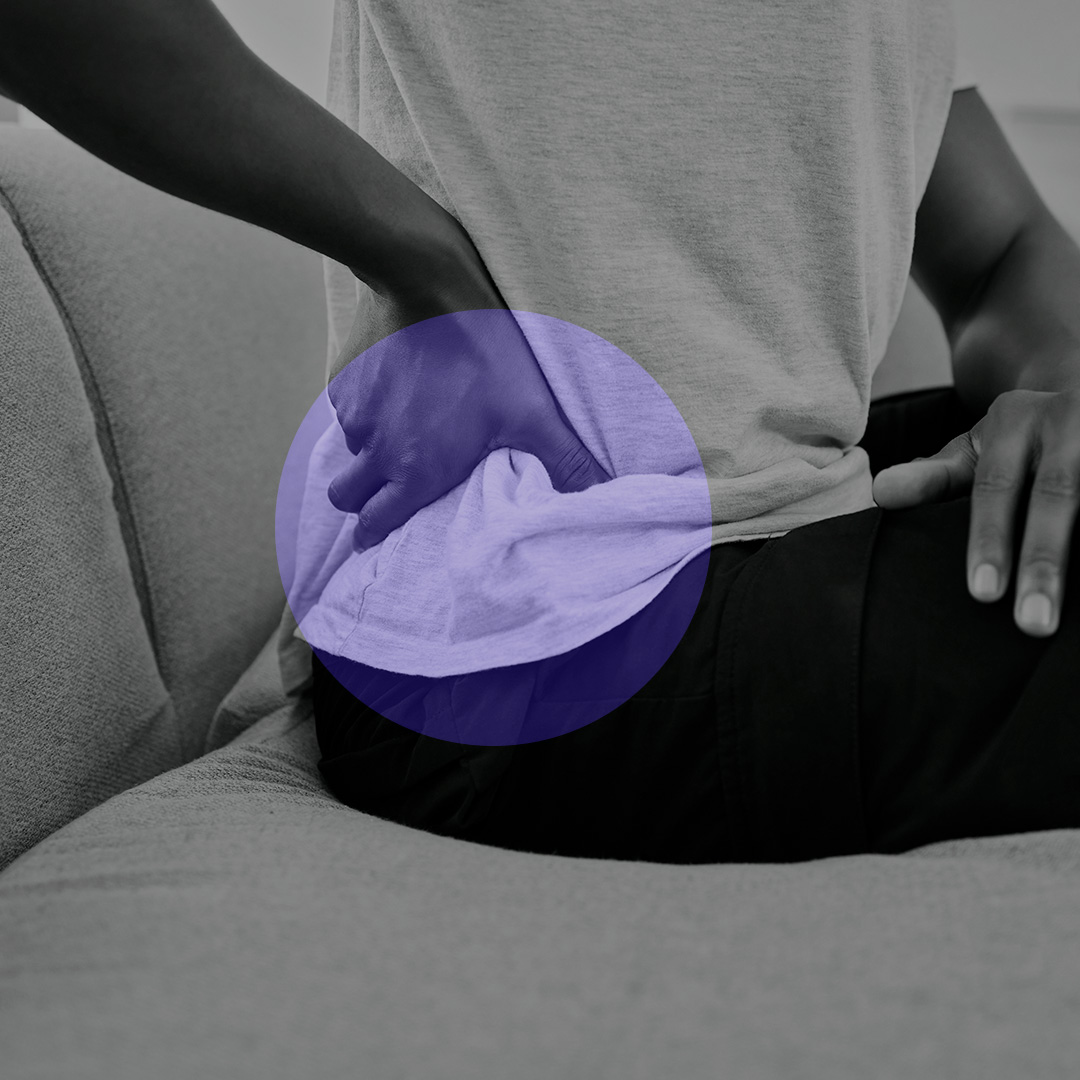
The hip, also known as the hip joint, is one of the most
important parts of the human body. It is responsible for connecting the upper part of the femur (thigh
bone) to the pelvic bone (iliac) and plays a crucial role in our mobility and
ability to support the body's weight. However, the hip may also be affected by
various problems and conditions that can cause pain and limit our quality of life.
In this article, we'll look at some of the most common hip problems and possible treatment
options to help improve the health of this important joint.
Common hip problems:
1.Hip Arthrosis:Arthrosis, also know as osteoarthritis, is a degenerative
condition disease that occurs when the protective cartilage that covers the ends of bones
wears out over time. This can lead to pain, swelling and stiffness in the hip, making
movement more difficult and painful.
2.Hip Bursitis: Bursitis of the hip is an inflammation of the bursae, which are small pockets
filled with fluid that helps reduce friction between tendons, muscles and bones. Bursitis
can cause pain and discomfort in the hip area.
3.Femoroacetabular Impaction Syndrome (SIFA):This syndrome occurs when there is a excessive
friction between the head of the femur and the cavity of the acetabulum (part of the hip bone). Over
time, this can lead to injuries and damage to the cartilage and tissues of the hip.
4.Hip Fracture:Hip fractures generally occur in older people due to
bone fragility related to osteoporosis. However, they can also occur in
younger people due to trauma or accidents.
5. Tendonitis and Soft Tissue Injuries:Injuries to the tendons and soft tissues around the hip,
such as tendonitis, can cause pain and discomfort in the joint.
Treatments:
Treatment for hip problems will depend on the type and severity of the condition, as well as
individual needs of each patient. Some of the most common treatment
options include
1. Medication: Analgesics and anti-inflammatory drugs can be prescribed to relieve pain and reduce
inflammation in conditions such as arthritis and hip bursitis.
2.Physiotherapy:Specific exercises can be recommended to strengthen the muscles
around the hip, improve the stability of the joint and relieve pain.
3. Infiltrations: Injections of corticosteroids or hyaluronic acid can be used for
to reduce inflammation and provide temporary pain relief.
4.Surgery:In more serious cases and when conservative treatments are not enough,
the surgery can be considered. Options include arthroscopy, hip replacement
surgery (arthroplasty), among others.
5.Lifestyle Adpatations:Making lifestyle changes, such as losing weight, avoiding
high-impact activities and wearing suitable footwear, can help relieve pressure
on the hip and improve your general health
If you're experiencing pain or discomfort in your hip, it's important to see an orthopaedic
specialist. A proper diagnosis is essential to determine the best treatment
plan for your specific case. With proper monitoring and treatment
you can improve the health of your hip and regain your mobility and quality
of life.
Take care of your hip and prioritise your health to enjoy a full and active life for many
years to come!
Get in touch with the team of experts at U-MUV.
post
27. July 2023 #Ankle #Foot
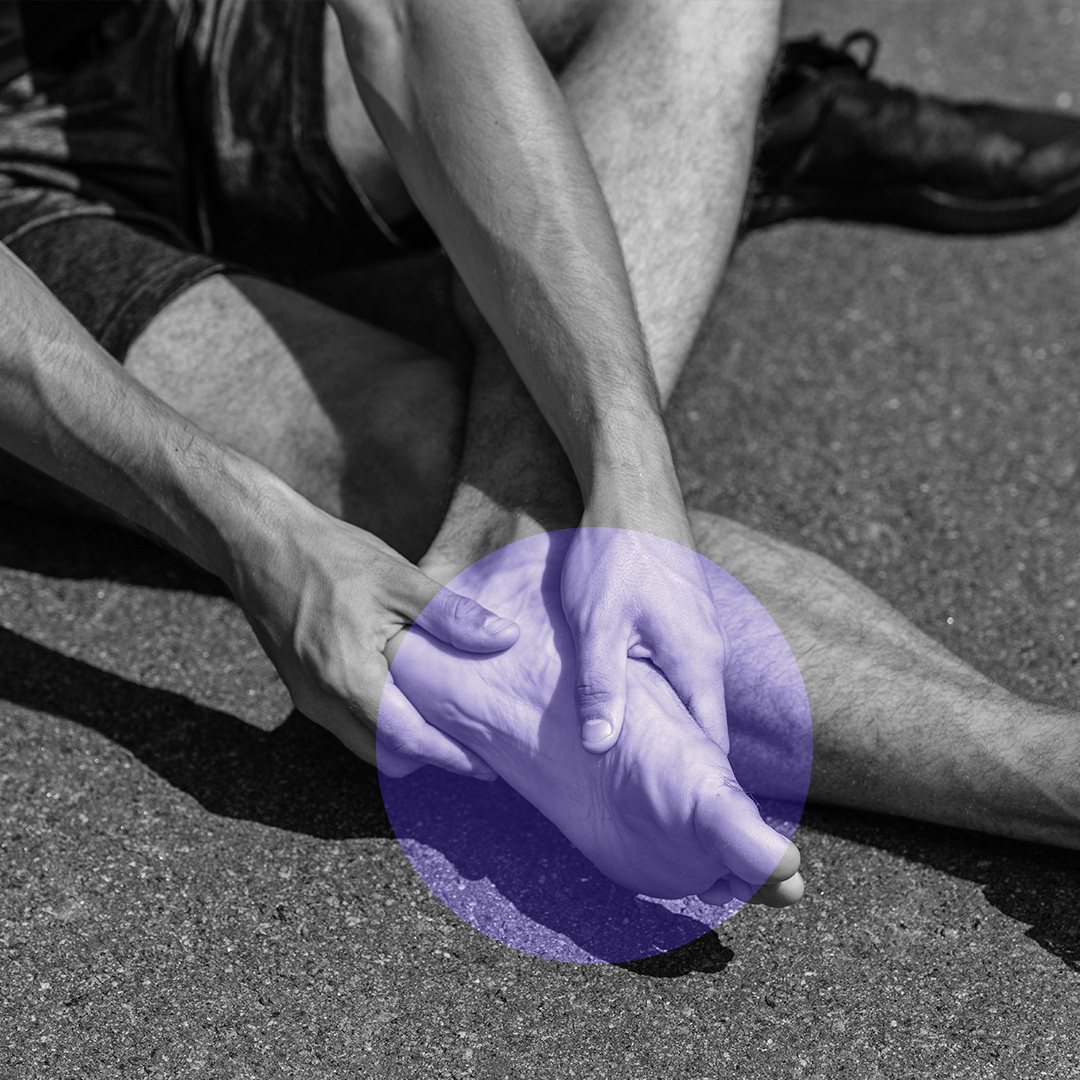
The feet and ankles are fundamental structures that support our body weight and
allow us to walk, run and carry out various daily activities. However, due to their
complex anatomy and constant exposure to strain, they are susceptible to various injuries and
pathologies that can affect our mobility and well-being. In this article, we'll look
at some of the most common causes of foot and ankle injuries and pathologies, as well as the
associated symptoms and treatment options available.
Plantar fasciitis:
Plantar fasciitis is an inflammation of the plantar fascia, a thick band of tissue that connects
the heel to the toes. The pain is most intense in the heel area, especially during
the first steps after resting. Rest, stretching, the use of special insoles and
physiotherapy usually help with treatment.
Calcaneal spur:
A calcaneal spur is a bony projection that develops on the underside of the heel
bone. It can accompany plantar fasciitis and cause pain when walking or standing.
Treatments include ice therapy, physiotherapy, pain relief medication and, in more
serious cases, surgery.
Ankle sprain:
An ankle sprain occurs when the ligaments that support the ankle are
stretched or torn, usually due to a sudden twist. Swelling, pain and difficulty
bearing weight are common symptoms. Treatment can involve rest,
ice, elevation of the ankle, use of bandages or splints and physiotherapy.
Foot or Ankle Fractures:
Fractures in the bones of the foot or ankle can occur due to falls, accidents or direct
trauma. Symptoms include severe pain, swelling, bruising and difficulty moving the
affected limb. Treatment will depend on the type and severity of the fracture and can vary
between immobilisation with a plaster cast, splint or even surgery.
Morton's neuroma:
Morton's neuroma is a condition involving a thickening of the nerves between
the toes, usually between the third and fourth toes. It causes pain, burning and
an electric shock sensation in the affected area. Changes in footwear, corticosteroid injections and, in
more serious cases, surgery can be treatment options.
Bunion:
A bunion is a bone deformity that affects the base of the big toe. Causes pain, swelling and
deviation of the finger towards the other fingers. Suitable footwear, the use of protective
pads and, in more serious cases, surgery, can help relieve symptoms.
Foot and ankle arthritis:
Arthritis is inflammation of the joints and can affect the foot and ankle. Causes pain, stiffness and
difficulty walking. Treatment includes pain-relieving medication, physical therapy and,
in more serious cases, surgery.
It is essential to seek medical help if you experience any persistent pain, swelling or changes
in the mobility of your feet and ankles. A doctor specialising in orthopaedics or podiatry will be able to
make the correct diagnosis and indicate the most appropriate treatment for each case. Remember
always take care of your feet and ankles, as they are the basis of your movement and quality
of life!
Make an appointment with the highly qualified professionals in our team to get
an accurate diagnosis and personalised treatment, with the aim of your well-being and full
recovery. Take care of your feet and move with confidence with U-MUV!
post
27. July 2023 #Knee
Gonalgia, also known as knee pain, is a common problem that can affect
people of all ages and levels of physical activity. This condition can be caused by a
variety of factors, from traumatic injuries to chronic illnesses, and can significantly impact
the quality of life of those who face it. In this article, we'll explore
what gonalgia is, its possible causes and, most importantly, when it's time to seek
medical help.
What's Gonalgia?
Gonalgia is a medical term for knee pain. This pain can be felt in any part
of the knee, such as the front (patellar region), behind the knee (popliteal region), on the sides
or even inside the joint. Gonalgia can vary in intensity, from
mild, uncomfortable pain to acute, debilitating pain.
Common causes of gonalgia:
1.Sports or Traumatic Injuries: Injuries such as sprains, muscle strains, torn
ligaments (such as the anterior cruciate ligament) or fractures can lead to acute gonalgia.
2.Degenerative Conditions: Diseases such as osteoarthritis, which is the degenation of articular
cartilage, or rheumatoid arthritis, an autoimmune disease, can cause chronic knee
pain.
3.Patellofemoral Pain Syndrome: A condition in which the cartilage under the patella (kneecap)
becomes irritated and causes pain in the patellar region.
4. Tendonitis: Inflammation of the knee tendons, such as patellar tendonitis (jumper's knee)
or quadriceps tendonitis.
5. Bursitis: Inflammation of the synovial bags, which are small fluid-filled pockets that
help reduce friction between the tissues of the knee.
6.Baker's Cysts: A fluid-filled cyst that can develop behind the knee in
response to other conditions, such as arthritis.
7.Meniscal Injuries: Rupture or injury to the menisci, whish are cartilage structures in the knee that
cushion and stabilise the joint.
When should you see a doctor?
Although some knee pain can be mild and temporary, others can be
indicative of more serious problems that require immediate medical attention. Here they are
some warning signs that may indicate it's time to seek medical help:
1.Acute and Disabling Pain : If the pain is intense and severely limits your ability to
move, it's important to seek medical help as soon as possible.
2.Swelling or Inflammation: If the knee is swollen, red or excessively hot,
can be a signof inflammation or injection, which requires medical attention.
3. Inability to Bear Weight: If you can't put any weight on the affected knee, it's
important to see a doctor to assess the cause of the pain.
4.Persistent or Chronic Pain: If the pain in the knee persists for more than a few days, it is
advisable to seek medical advice for a proper diagnosis.
5.Previous Injuries: If you've had a previous knee injury or surgery, and the pain
has returnen or worsened, it is important to be assessed by a health professional.
6. Fever and General Malaise: If you have a fever or a general malaise, along with the pain in the
knee, can be a sign of infection, requiring medical attention.
It's important to remember that gonalgia can be caused by a number of factors and an accurate
diagnosis requires an assessment by a qualified doctor. Never ignore persistent
knee pain, as early diagnosis can lead to better
treatment and recovery results.
If you're experiencing any of the symptoms mentioned above or are concerned about
knee pain, don't hesitate to book an appointment with an orthopaedic surgeon or knee
specialist for a proper assessment and personalised treatment
plan.
Remember, taking care of your health is essential to enjoying a full and active life!
Get in touch with us

Categories

  • No categories

Archives